



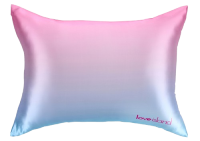
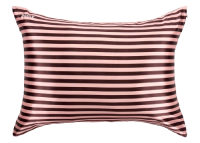
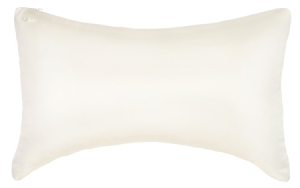
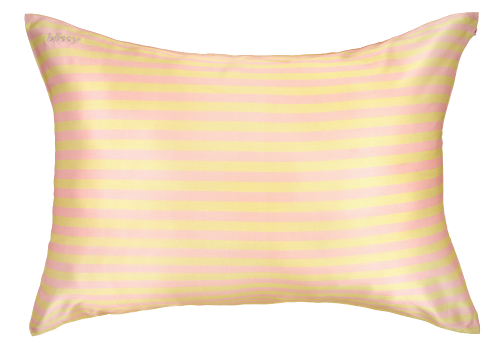




























Shopping for a new pillowcase and suddenly faced with "envelope closure" vs. "zipper closure"? You're not the first person to pause at that question.
Most of us just grab whatever came with the sheet set and move on. But the closure type actually affects how well your pillow stays in place, how protected it is from allergens, and how your bed looks when it's made.
This guide covers exactly what an envelope pillowcase is, how it compares to a zippered option, and which one is worth your money.
Pillowcase vs. Pillow Cover: Is There a Difference?
These two terms get used interchangeably all the time — and for good reason. They're nearly the same thing.

What Is a Pillowcase?
A pillowcase is the washable fabric sleeve that goes directly over your pillow. It protects the pillow from skin oils, dust, and dead skin cells so your face always rests on something clean. It's part of your regular bedding, like a flat sheet — meant to be swapped and laundered often.
What Is a Pillow Cover?
A pillow cover usually refers to something slightly more decorative. You might stuff a pillow insert or pillow form into a cover and use it as a throw pillow on a couch or bed. It may also refer to a sham — the decorative case used on a pillow when the bed is made.
The 3 Types of Pillowcase Closures

Open Flap
The most basic style. No closure at all — the pillow just slides in through an open end. Easy to put on, but the pillow can easily slip out overnight.
Envelope Closure
An envelope pillowcase (also called an envelope pillow cover) uses two overlapping back panels of fabric instead of a zipper or button. The panels overlap by several inches in the center, creating a hidden pocket that holds the pillow in. The pillow slides in from the back, and the overlapping fabric keeps it tucked inside.
It's tidier than an open flap, hardware-free, and gives a refined, hotel-style look. The downside: over time, the fabric can soften and the pillow may start to wiggle free.
Zipper Closure
A zippered pillowcase seals fully around the pillow with a zipper — often a hidden zipper set into the seam so it's barely visible. The pillow cannot shift or escape. Both sides of the case remain smooth and even.
Envelope Closure Pillowcase: Benefits and Drawbacks
What Makes Envelope Pillowcases Worth Considering
The clean look. With no hardware, buttons, or visible zipper, an envelope pillowcase has a smooth, minimalist finish on the front. The overlapping panels hide on the back, giving the front panel a polished, uninterrupted surface — ideal for a hotel-style bed aesthetic.
No hardware against your face. Since there's no zipper or snap, there's nothing to press into your cheek while you sleep. This is one reason envelope closures remain popular for everyday pillowcases.
Easier to make. If you sew, an envelope closure pillowcase is a great beginner project. You can make one in about 10 minutes with basic materials — a sewing machine, scissors, fabric, and thread. No zipper installation needed, which makes the process much faster and more forgiving. (More on that below.)
Where Envelope Closures Fall Short

Less secure over time. The overlapping panels work well initially, but the overlap can shift or loosen as the fabric ages. There's no hard closure holding everything in — just gravity and fabric friction.
Not fully sealed. Because the back panels create an opening rather than a seal, dust, allergens, and particles can still make their way in. For anyone with allergies, this is worth keeping in mind.
Not as clean on the back side. The overlapping panel creates an extra layer on one side that can feel uneven if you flip your pillow.
Zipper vs. Envelope Closure: Head-to-Head Comparison
| Feature | Envelope Closure | Zipper Closure |
|---|---|---|
| Pillow stays in place | ⚠️ (somewhat) | ✅✅ |
| Clean front appearance | ✅ | ✅✅ |
| Clean back appearance | ❌ | ✅✅ |
| Allergen protection | ⚠️ (partial) | ✅✅ |
| No hardware against skin | ✅✅ | ✅✅ (zipper on side) |
| Works on both sides | ❌ | ✅✅ |
Why a Zipper Closure Wins for Pillowcases

More Secure — No Slipping
With a zipper, your pillow is fully enclosed. It won't twist, shift, or pop out at 2 a.m. An envelope closure is a step up from an open flap, but a zipper is the most secure option across the board.
Smoother Appearance
A zippered pillowcase looks clean on both sides — no overlapping panels, no extra bulk on the back. If the zipper is hidden, you get a completely smooth surface no matter which way the pillow faces.
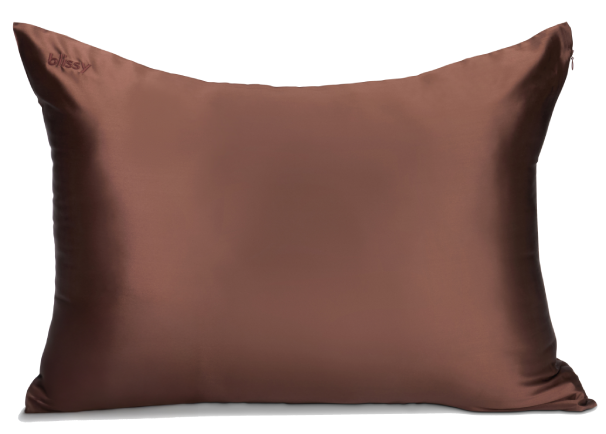
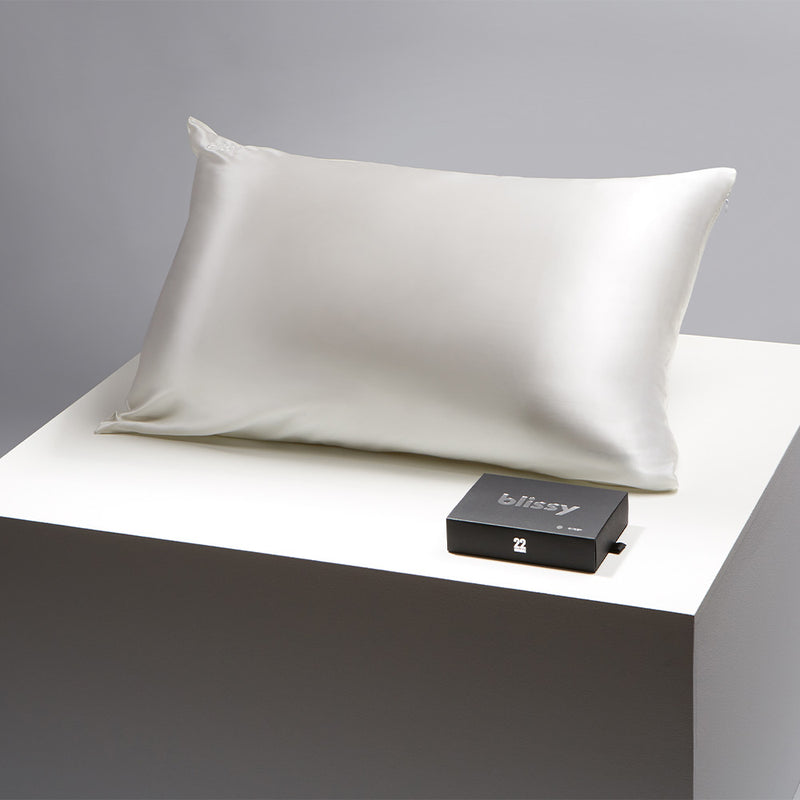
Blissy uses a concealed zipper that sits flush in the seam, so there's nothing to see or feel.



Better Allergen Protection
Because a zippered case is fully sealed, it creates a much stronger barrier against dust mites and allergens. Envelope closures have a built-in gap at the back panels — useful for easy on/off, but less effective at keeping particles out.
Use Both Sides
With an envelope case, the back side has overlapping fabric that can feel uneven against your cheek. With a zippered case, both sides are identical — smooth and comfortable. Easy to flip your pillow for a cool, fresh surface.
Why Blissy Is the Obvious Upgrade

Once you've decided on a zippered pillowcase, the material is everything. Not all silk is the same — and that's exactly where Blissy stands apart.
Premium Silk That's Built to Last
Blissy pillowcases are made from 100% Grade 6A, 22-momme mulberry silk. That's nearly 15% heavier than standard 19-momme silk — which means it's softer, more durable, and more resistant to pilling over time.
With proper care (gentle machine wash, hang or lay flat to dry), a Blissy pillowcase can last ten years or more.
Clinically Tested. Dermatologist Recommended.
The benefits aren't just marketing. In an independent 30-day clinical trial by Citruslabs, 45.2% of participants showed measurably improved skin texture, and 74.2% reported better sleep quality after sleeping on Blissy silk.
Board-certified dermatologist Dr. Aleksandra Brown, MD calls it "the only dermatologist-backed, clinically-studied silk pillowcase."

What the Experts Are Saying
Good Housekeeping tested dozens of silk pillowcases and found that Blissy "outperformed dozens of other silk pillowcases in our evaluations" — adding that the hidden zipper gave testers a "neat finish" they loved.
Awards: Good Housekeeping Best Bedding Award · Oprah Daily Sleep O-Award for Best Silk Pillowcase · NewBeauty Best Pillowcase 2023
And with 250,000+ five-star reviews, it's the most reviewed silk pillowcase on the market.


