
































Key Takeaways:
-
Mulberry silk is real silk, and it's widely considered the finest silk you can buy. It comes from domesticated Bombyx mori silkworms fed exclusively on mulberry leaves.
-
Satin is a weave, not a fiber, so "satin" on a label doesn't guarantee real silk. Look for "100% mulberry silk," a momme weight of 19 to 25, and grade 6A.
-
Real silk burns slowly and smells like burnt hair, while synthetic silk melts. The burn test is one of the most reliable ways to spot fake silk at home.
-
Blissy uses 100% pure 22-momme, grade 6A mulberry silk that is OEKO-TEX certified. Blissy pillowcases have 250,000+ five-star reviews.
Short Answer: Is Mulberry Silk Real Silk?
Yes. Mulberry silk is real silk, and it's widely considered the finest silk available. It comes from Bombyx mori silkworms fed only mulberry leaves, which spin long, continuous filaments that weave into an exceptionally smooth, durable fabric. To confirm you're getting genuine mulberry silk, check the label for "100% mulberry silk," a momme weight (19 to 25 is typical for quality bedding), and grade 6A.
Tip: If a label says "satin" or "silky" without naming the fiber, it's often polyester, not real silk.
When you find mulberry silk pillowcases or mulberry silk bedding, you might wonder if you're really getting genuine silk. The good news is that mulberry silk is real silk. In fact, it's some of the highest-quality silk you can get.
Mulberry silk is a natural protein fiber, which sets it apart from synthetic silk and polyester satin. Here's what labels often blur: satin is a weave, not a fiber. Silk satin is real silk woven in a satin pattern. Polyester satin only imitates it.
Below, you'll learn how to read a silk label, how to spot fake silk at home, and how pure mulberry silk compares to other wild silks.
How to Read a Silk Label
A real silk label tells you three things: the fiber, the weight, and the grade. If any of these are missing, look closer.
- ☐ "100% mulberry silk" or "100% pure silk": not "silk blend," "silky," "satin," or "silk feel."
- ☐ A listed momme weight: Momme measures fabric density. 19 to 25 momme is the typical range for quality silk sheets and pillowcases. 22 momme balances softness with long-lasting durability.
- ☐ Grade 6A: 6A is the highest silk grade. It signals long fibers with a uniform fiber structure.
- ☐ OEKO-TEX Standard 100 certification: This means the fabric was tested for harmful substances.
- ☐ The fiber named alongside the weave: "Silk charmeuse" or "silk satin" is real silk. "Satin" alone usually isn't.
Red flags: "satin," "silky," "silk touch," or "mulberry silk blend" with no percentage. These often point to synthetic fabrics or a synthetic imitation of real silk.
How to Spot Fake Silk: 5 At-Home Tests
- Check the shine. Real silk has a soft, pearly luster that shifts as light moves across it. Fake silk tends to look bright and flat-shiny from every angle.
- Feel it. Genuine silk usually feels cool at first, then warms toward your body temperature. Polyester often feels slippery and plasticky.
- Read the specs. Authentic silk products usually list momme weight and grade. Synthetic silk products rarely do.
- Check the price. Real mulberry silk is labor-intensive to produce. A "silk" pillowcase priced like a cotton one is a reason to read the label twice.
- Do the burn test. Real silk burns slowly, smells like burnt hair, and leaves a crumbly ash. Synthetic silk melts, smells like plastic, and forms a hard bead.
Pro tip: The burn test is the most reliable at-home check for identifying authentic silk. Only test a loose thread or scrap, over a sink, away from anything flammable.
Real Silk vs Fake Silk: How They Compare
| Feature | 100% Mulberry Silk | Other Real Silk (Tussah, Eri) | Polyester Satin (Fake Silk) |
|---|---|---|---|
| Fiber type | Natural protein fiber from domesticated silkworms | Natural protein fiber from wild or semi-wild silkworms | Synthetic (plastic-based) |
| What the label says | "100% mulberry silk," momme + grade | "Tussah," "eri," or "wild silk" | "Satin," "silky," "silk feel" |
| Fiber length | Long, continuous filament | Shorter, coarser | Manufactured filament |
| Burn test | Burnt hair smell, crumbly ash | Burnt hair smell, crumbly ash | Melts, plastic smell, hard bead |
| Breathability | High | High | Low, can trap heat |
| Momme weight / grade 6A | Usually listed | Varies | Not applicable |
| Best for sleep | ✅ Winner | Good | Not recommended |
What Is Mulberry Silk and Where Does It Come From?

Mulberry silk has been around for thousands of years. A 2022 study published in Heliyon states that this natural silk started being produced in China more than 5,000 years ago. Find out more about the fascinating history of silk as an ancient tradition.
Where do these silk fibers come from in the first place? They come from the cocoons of Bombyx mori silkworms, a domesticated silkworm species raised only for silk.
When these moths are still in caterpillar (silkworm) form, they eat a steady diet of white mulberry leaves from the mulberry tree. Each cocoon is spun from one continuous filament that can stretch hundreds of meters. Wild silkworms often break their cocoons when they emerge, which leaves shorter fibers. That's a big reason mulberry silk is smoother and more uniform than other wild silks. Silk harvesters gather these strong strands and weave them into silk fabrics for pillowcases, sheets, and other products.
6 Reasons Mulberry Silk Is the Finest Silk
Mulberry silk is considered the best quality silk for many reasons. This natural silk offers some great benefits in terms of its appearance, quality, and strength.

1. Gorgeous sheen
Pure mulberry silk has a beautiful sheen that gives it a lustrous look. Whether it's used for pillowcases or loungewear, it always provides a touch of luxury.
2. Smooth texture
This type of silk also has a super soft texture that's smooth to the touch. Sleeping on a mulberry silk pillowcase or wearing a robe made from this natural fabric feels soothing on your skin.
3. Impressive strength
While mulberry silk strands might seem delicate, they're actually incredibly durable. Each long strand of this silk offers a ton of strength that helps it stay in good condition. In a 30-day Princeton Consumer Research home-use trial (2024, 33 participants), 97% rated Blissy silk as durable.
4. Hydrating and cooling
Mulberry silk is also good for your skin and hair. Because silk is less absorbent than cotton, it may help skin and hair hold on to their natural moisture overnight. It also has a cooling effect, which is ideal for better beauty sleep. A 2012 study in the Journal of Physiological Anthropology found that the right thermal environment helps improve sleep quality.
5. Moisture wicking
Mulberry silk also has moisture-wicking properties. A 2012 study in Frontiers in Life Science states that mulberry silk's proteins allow it to easily absorb moisture and release it. This helps keep you from getting sweaty while trying to sleep.
6. Hypoallergenic
Mulberry silk is naturally hypoallergenic, which makes it a gentle choice for sensitive skin. In a 2024 Princeton Consumer Research patch test of 108 volunteers (half with self-assessed sensitive skin), 0% showed irritation or sensitization from Blissy mulberry silk. Instead, this silk feels comfortable and cool against your skin.
Mulberry Silk vs Other Wild Silks
Mulberry silk isn't the only type of silk out there, but they're not all created equally. The others are mostly wild silks, including eri, muga, and tussah silk (also spelled tussar), which have different appearances, textures, and properties. How do these other materials compare to mulberry silk?

| Silk Type | Appearance | Texture | Weight | Ideal Uses |
|---|---|---|---|---|
| Mulberry | Naturally white, uniformly colored | Smoothest, softest | Lightweight | Bedding, pillowcases, versatile |
| Muga | Brownish-gold | Soft (less than mulberry) | Lightweight | Apparel, traditional garments |
| Eri | Reddish, white, or off-white | Wooly, like cotton | Heavier | Apparel, eco-textiles |
| Tussah | Deep gold, uneven coloring | Rougher | Lightweight | Saris, traditional wear |
Bedding and pillowcases are ideal uses for mulberry silk because it enhances the comfort and appearance of the bed. Its softness, durability, and natural sheen make the bed look luxurious and inviting, which is why mulberry silk is a popular choice for luxury bedding. That includes silk sheets, pillowcases, and hair accessories.
Appearance
Mulberry silk is naturally white and uniform in color. Mulberry silk is often woven in a charmeuse weave, which gives the fabric a luminous, smooth front and a matte reverse, making it especially desirable for luxury bedding and apparel. Satin weave is another weaving technique commonly used for silk fabrics, contributing to its shiny look.
Muga has a brownish-gold color, while eri silk can be reddish, white, or off-white. Tussah silk has a deep gold color. Unlike mulberry silk, which is a uniformly colored fabric, tussah tends to have uneven coloring.
Texture
Mulberry silk offers the smoothest, softest texture. Eri silk's texture is more wooly, like cotton, while tussah silk is rougher. Muga has a soft texture, but it doesn't match mulberry silk's softness.
Properties and Uses
Mulberry is lightweight, like tussah and muga silk. Eri silk tends to be heavier. The ideal uses of these silks also differ. Mulberry silk is the most versatile, making it a good choice for bedding, pillowcases, and other items. Its many properties, from cooling effects to hypoallergenic properties, set it apart from other silks.


Common Myths and Misconceptions About Mulberry Silk
Despite being a real silk, misconceptions about mulberry silk are still around. What are a few of these myths?

Myth: Mulberry silk is slippery
It's soft and lustrous, but not as slippery as satin. Its smooth surface helps reduce friction, so hair and skin glide instead of tug. Blissy silk pillowcases create 43% less friction than cotton.
Myth: Mulberry silk needs to be dry cleaned
You can wash your mulberry silk pillowcase in your washing machine or by hand. No need to go out of your way to bring your mulberry silk items to the dry cleaners.
Myth: Mulberry silk and silk satin are the same thing
Not quite. Satin is a weave, while mulberry silk is a fiber. Mulberry silk woven in a satin pattern is called silk satin or charmeuse, and it's real silk. Polyester satin uses the same weave with synthetic fibers, so it looks shiny but doesn't breathe like natural silk.
Myth: Mulberry silk is too delicate and won't last long
Mulberry silk might seem like it has a short lifespan, since it's so soft and lightweight. That's not the case, though. The durability of mulberry silk means it lasts for a long time, even with regular washing.
Is Blissy Real Silk?

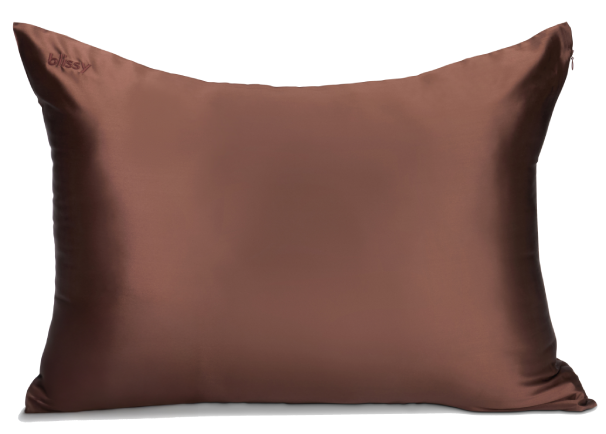
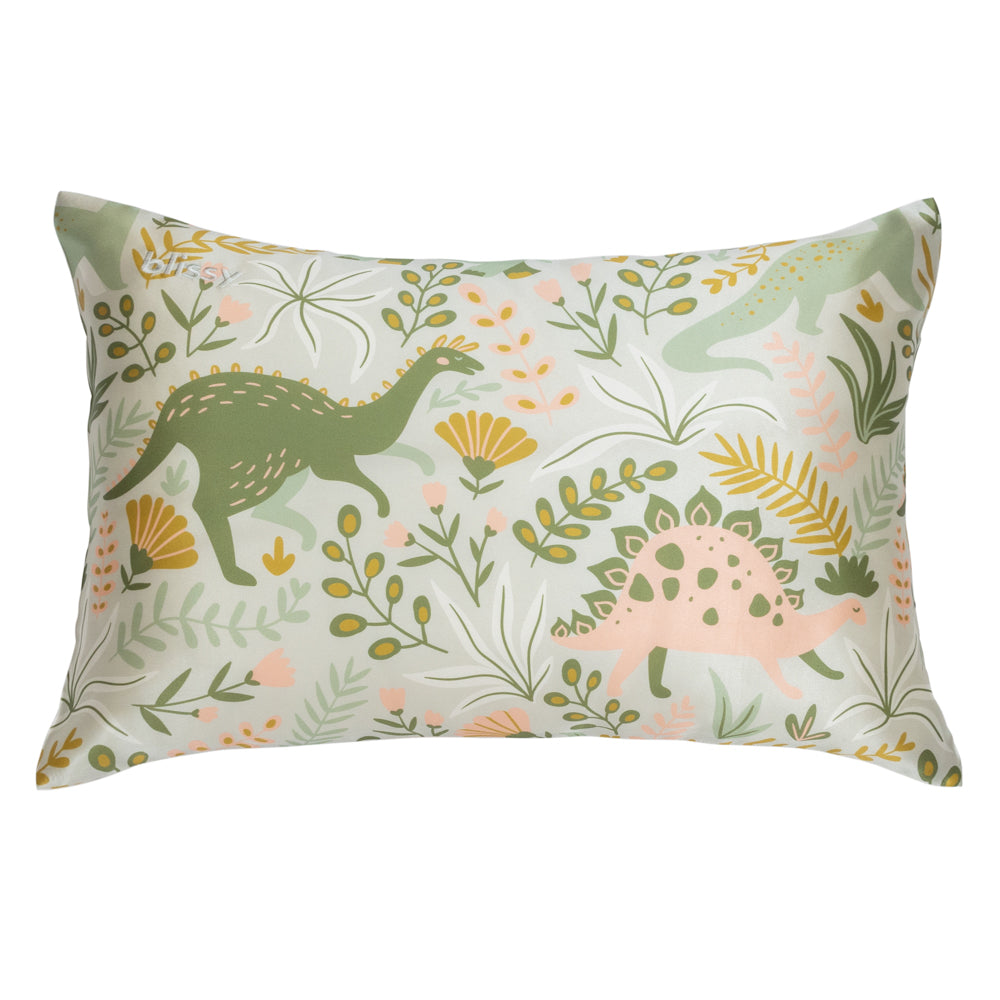
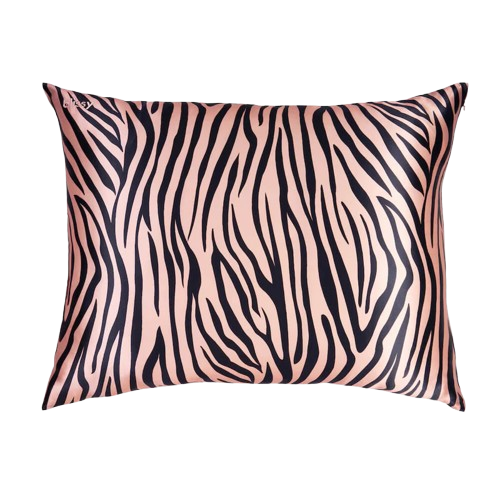
How can you know for sure that you're getting pure mulberry silk when you buy Blissy products? Whether you're purchasing a Blissy Silk Pillowcase or Blissy Silk Sleep Mask, you can count on having the real thing. Yes, Blissy is real silk. Blissy pillowcases, sleep masks, and hair accessories are made from 100% pure 22-momme, grade 6A mulberry silk. The Blissy Silk Robe uses an even heavier 32-momme, 6A mulberry silk.
"Blissy Silk Pillowcases are made from 100% pure mulberry silk, helping you age gracefully by maintaining skin hydration and reducing friction. Featured on Good Morning America with over 130,000 five-star reviews, it's clear why people love them. Trust me, your skin will thank you."
Dr. Dylan Greeney, MD, Board-Certified Dermatologist
As part of our commitment to the highest quality, our silk products have OEKO-TEX Standard 100 Certification. What does this mean? Our silk products undergo a production process that requires strict standards.
This means your Blissy Silk Robe or Blissy Silk Pillowcase is tested for harmful chemicals and meets strict limits for harmful substances. Instead, you're purchasing silk products that are environmentally friendly and safe for your body.
Browse Blissy's Mulberry Silk Collection Today

Eager to experience the benefits of pure mulberry silk? Visit Blissy to see our full selection of 100% mulberry silk products, from pillowcases and robes to hair products and sleep masks. Each product is made from high-grade silk to ensure quality and durability.


