

































Key Takeaways:
-
Silk pillowcase prices vary by quality, not marketing terms or brand hype.
-
Momme weight matters most, with 22 momme offering best durability and value.
-
Grade 6A mulberry silk delivers smoother texture, strength, and long-term performance.
-
Certifications and construction separate real silk benefits from cheap satin alternatives.
Shopping for silk pillowcases can feel confusing—especially when "100% silk" shows up at totally different prices.
Understanding silk pillowcase price differences is key to making a smart purchase.
This guide explains what drives price differences, how to spot quality silk, and how to shop smart—so you can avoid overpaying and get the best value.
What affects silk pillowcase prices:
-
Silk quality – Grade (6A is best), type (mulberry vs. other), and fiber length
-
Momme weight – Fabric density (19–25 momme range)
-
Certifications – OEKO-TEX Standard 100 testing for chemical safety
-
Construction – Zipper vs. envelope closure, charmeuse weave
Here's what really separates a $29 pillowcase from a $150 one, and why cheaper options don't give you the same benefits.
What's the Real Difference Between Cheap and Expensive Silk Pillowcases?

Satin gets sold as a cheaper alternative, but it doesn't give you the natural benefits of real silk—like staying cool, being hypoallergenic, and reducing hair frizz and skin creases.
When you're shopping, look for high-quality textile products made from real silk—100% mulberry silk is best. Skip blends or fake silk. That's how you get the full benefits and durability of authentic silk.
Momme Count vs Marketing Language: Key Differences in Silk Quality
Momme weight tells you how thick and strong your silk is. The higher the momme number, the more silk is packed into the fabric. A momme silk pillowcase with a higher count has more silk in it, which makes it thicker, tougher, and more luxurious. With other fabrics, thread count matters. With silk, momme weight is what counts.
Cheap pillowcases (under $30) use thin 16–19 momme silk that tears easily. Pricey ones show off their 25 momme, but 22 momme works best for most people. Silk pillowcases in the 25 to 30 momme range are fancy, top-tier luxury—and they cost more because they use more silk.
Words like "luxury silk" or "premium silk" mean nothing without a momme number. No number listed? Red flag.
Silk Grade (What "Grade 6A Mulberry Silk" Really Means)
The finest silk used in luxury pillowcases comes from the bombyx mori silkworm, which only eats mulberry leaves. This creates the highest quality mulberry silk. Silk gets graded from A to C, with grade 6A being the best you can buy. Quality silk pillowcases are made from 100% mulberry silk—it's considered the finest silk for bedding because it's pure, strong, and smooth. Cheaper grades use shorter fibers that feel rough and get fuzzy over time.
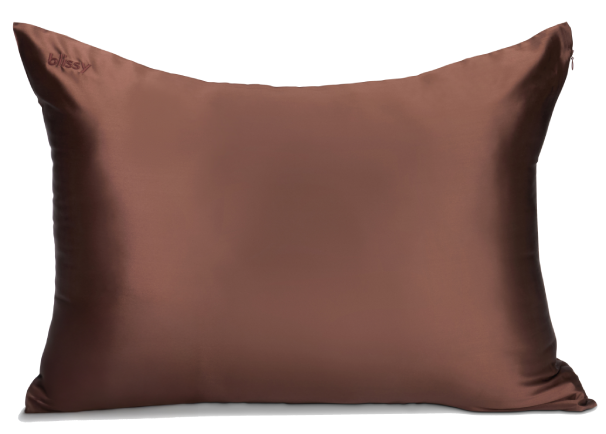
Blissy uses grade 6A mulberry silk that's been clinically tested to cut friction by 43% compared to cotton—which means fewer sleep wrinkles, less hair breakage, and silk that stays soft wash after wash.
Construction Details: Zipper vs Envelope Closure and Enhanced Durability
Zipper closures keep your pillow in place all night. Quality zippered pillowcases use hidden zippers so they won't catch your hair or bug your skin. They also keep their shape better when you machine wash them.
Dyes, Finishes & OEKO-TEX® Safety Standards
Darker colors like emerald or burgundy need extra dye, but this usually only adds $5–10 to the price. What really matters: OEKO-TEX Standard 100 certification, which tests for over 350 harmful chemicals to make sure your pillowcase is safe.
Now that you know what sets silk pillowcases apart, let's break down momme weight—the most confusing part of shopping for silk.
19 vs 22 vs 25 Momme Silk: Which Is Actually Better?

When shopping for a silk pillowcase, price differences can be confusing. Most silk pillowcases on the market are different in quality, features, and benefits based on their momme weight and construction. Knowing what makes the good ones better helps you choose.
How Momme Weight Affects Silk Pillowcase Quality
Higher momme = thicker, more durable fabric that lasts longer. That's it. It doesn't make silk smoother or better at keeping you cool—that comes from the quality of the silk itself.
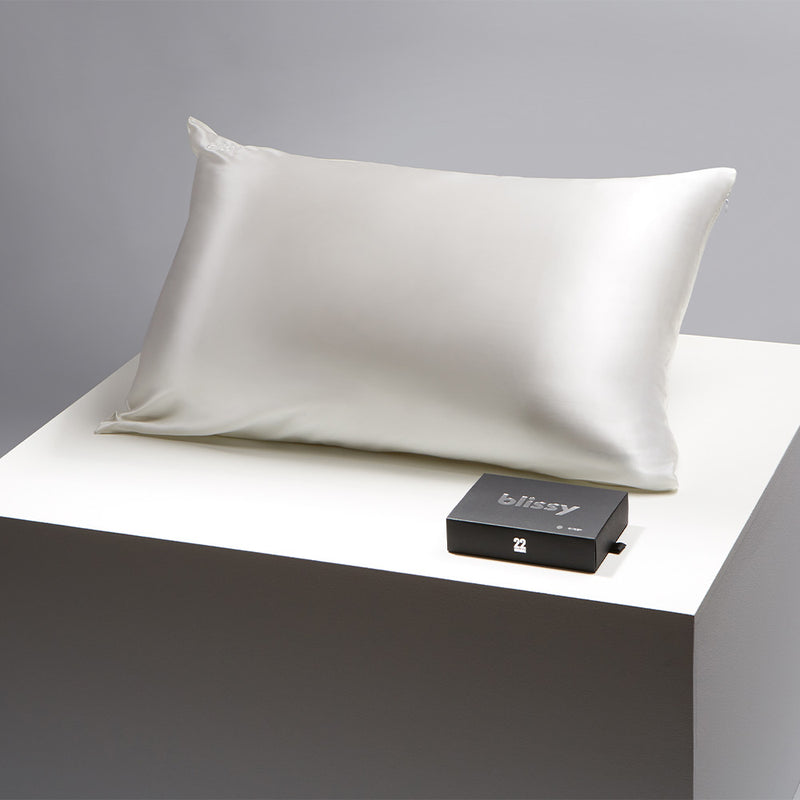
19 momme feels thin and delicate. 25 momme is thick but traps more heat. 22 momme is right in the middle.



Durability vs Breathability Tradeoffs
22 momme is the sweet spot for most people. It's tough enough for weekly washing, light enough to keep you cool, and smooth enough for all the hair and skin benefits.
19 momme wears out faster. 25 momme lasts longer but costs 30–40% more—and most people won't feel the difference.
Which Momme Weight to Choose
-
19 momme: Testing silk for the first time or using it occasionally.
-
25 momme: Living in cool climates or wanting maximum durability.
-
22 momme: Sleeping hot, wanting the best value, or needing a balance of strength and breathability.
Blissy's 22 momme pillowcases are clinically tested to improve skin and reduce hair friction—without the premium price tag.
Momme weight matters, but it's not the only reason two pillowcases with the same specs can have different prices.
Why Silk Pillowcases With "the Same Material" Have Different Prices
Two pillowcases can both say "100% mulberry silk" but cost $40 apart. Here's why.
Size Matters More Than People Realize (Standard vs King Pricing)

A king-size pillowcase uses about 30% more fabric than a queen. Blissy keeps pricing competitive through direct-to-consumer partnerships—no middleman markup based on size.
Patterns, Limited Editions, and Why Solids Go on Sale

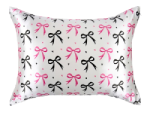
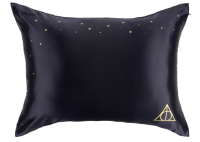
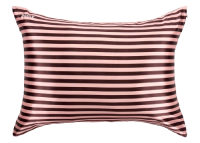
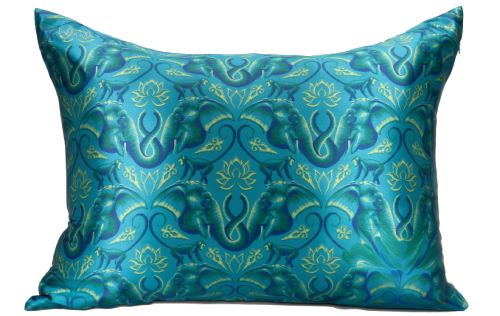
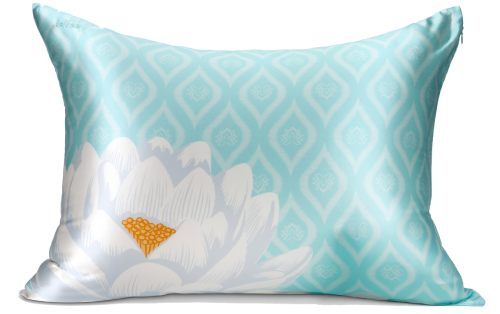
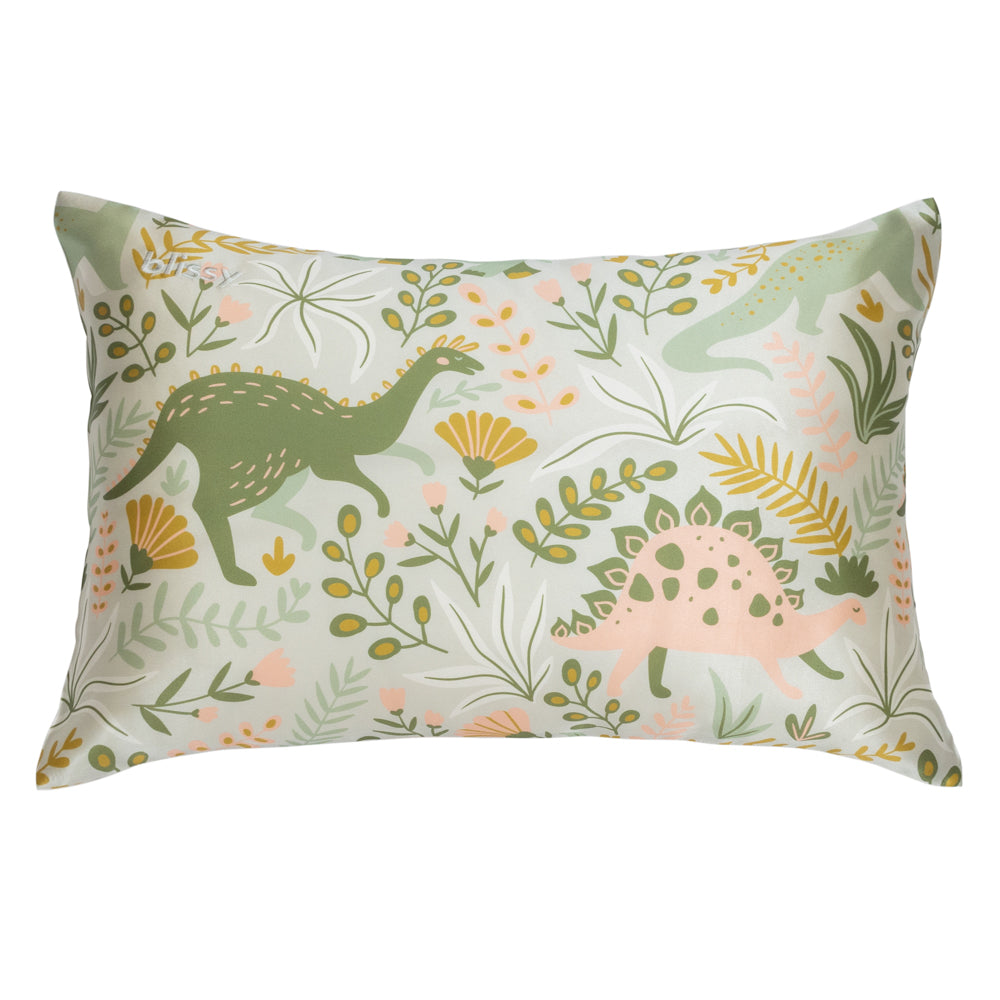
Solid colors cost less to make in bulk, so they go on sale more often. Patterns need extra dye work and smaller batches. Limited editions cost more because of licensing fees and less supply.
Beyond pricing strategies, the biggest question is: how do you tell real silk from fake?
Are There Different Grades of Silk Pillowcases? Yes—Here's How to Tell
Mulberry Silk vs "Silky" Fabrics (Polyester, Satin, Blends)
Real silk comes from silkworm cocoons, while satin is a weave pattern—not a fabric type. Polyester satin pillowcases look shiny like silk but don't have its natural fiber structure, temperature regulation, and moisture-wicking abilities. They trap heat and rub against your hair and skin more.
When buying a silk pillowcase, look for "100% mulberry silk" or "100 pure mulberry silk" on the label. Fuzzy terms like "silk-like" or "silky satin" mean it's synthetic fabric.

What Long-Strand Silk Means for Durability
Long-strand silk comes from cocoon fibers that aren't broken—they can stretch over 1,000 meters long. Grade 6A mulberry silk uses these long fibers, which is why good silk pillowcases stay smooth and have enhanced durability after hundreds of washes.
Short-strand silk uses broken fibers twisted together. These create weak spots that pill and get fuzzy.

Certifications and Labeling Red Flags to Watch for Online
✅ Check for these before you buy:
-
OEKO-TEX Standard 100 certification means the fabric is independently tested and chemical-free
-
Momme weight listed in product specs (if it's missing, assume low quality)
-
Country of origin listed—good brands tell you where their silk comes from
-
Specific care instructions—should say exactly how to wash and dry
⚠️ Red flags to avoid:
-
Stock photos used by multiple brands
-
No silk grade mentioned
-
Suspiciously low prices (under $20 for "100% silk" is nearly impossible)
So you know what to look for—but is silk actually worth the investment?

How to Shop Smarter for a Silk Pillowcase (and Avoid Overpaying)
The 4 Things to Check Before Buying
100% mulberry silk: Make sure the label says "100%" and lists mulberry—not just "silk" or "silk blend."
Momme count (22+ sweet spot): Look for 19–25 momme weight in the product details. 22 momme gives you the best mix of strength, breathability, and value.
Construction quality: Pick zipper closures over envelope styles. Check for charmeuse weave—that's what gives silk its signature smooth texture.
Clear care instructions: Good silk pillowcases should be machine washable on delicate with cold water.

Why Brand Names Like Slip, Fishers Finery, and Lilysilk Aren't the Full Story
Big-name silk brands got famous through celebrity deals and getting to market first—not always through better silk quality.
When you compare the actual specs—momme weight, silk grade, certifications—many direct-to-consumer brands match or beat luxury brands at 40–60% lower prices.
Make sure you're buying real silk and high-quality textile products. Some brands sneak in synthetic alternatives or blends that don't give you the same benefits as authentic mulberry silk.
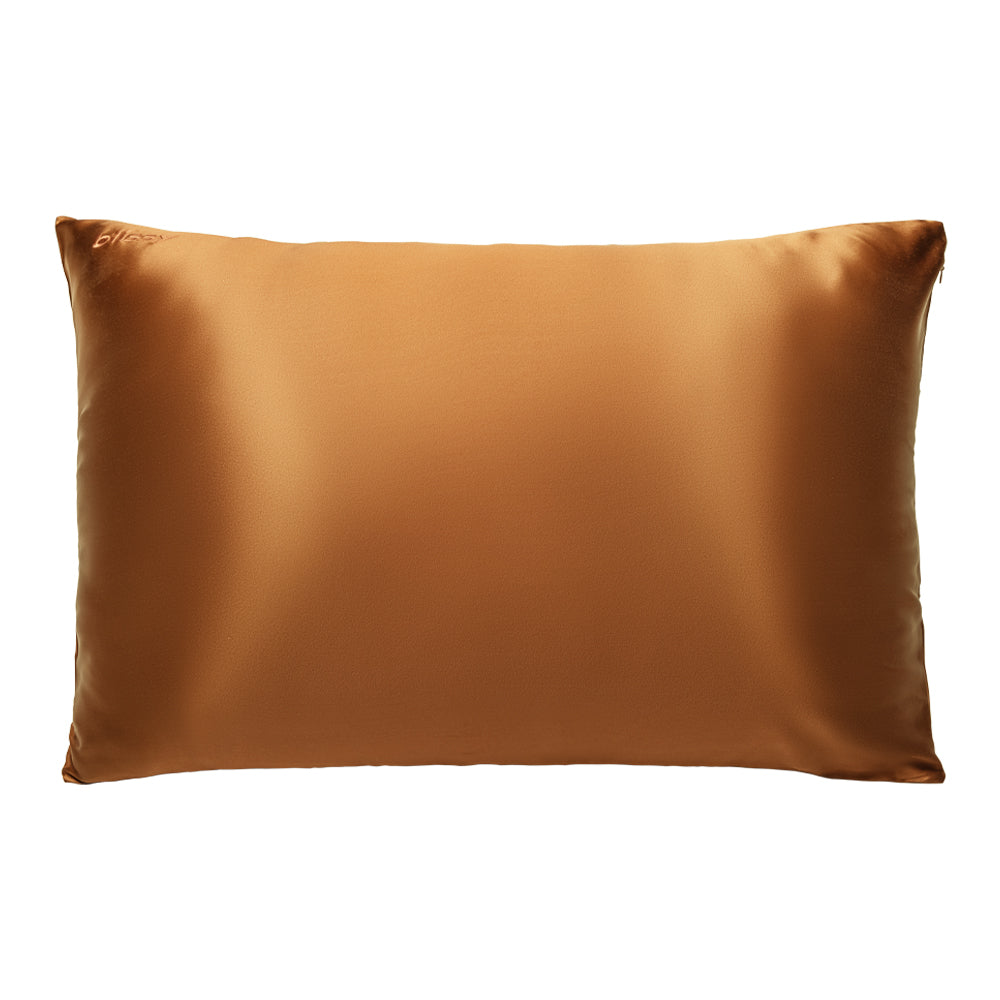
What makes Blissy different:
-
OEKO-TEX Standard 100 certification
-
Clinical testing that proves beauty benefits
-
Grade 6A mulberry silk
-
Over 250,000 five-star reviews
-
Featured in Good Housekeeping and Vogue
The best silk pillowcase gives you independently tested results, genuine silk quality, and customer service that's there for you long after you buy.

Are Silk Pillowcases Worth the Price?
Longevity vs Cost-Per-Use Compared to Cotton or Satin
A good 22 momme mulberry silk pillowcase lasts 3–5 years if you take care of it. Cotton pillowcases? You'll replace them every 1–2 years. Sure, there are budget friendly options out there. But if you buy a quality silk pillowcase like Blissy—a popular brand that uses 100% pure mulberry silk pillowcases—you'll save money over time.
Do the math on cost-per-use and silk often wins.
Satin pillowcases seem like a cheaper alternative, but they don't have silk's natural fiber benefits: keeping you cool, pulling moisture away, and being naturally hypoallergenic.
Further Reading:

Hair, Skin, and Sleep Benefits That Actually Hold Up
Blissy silk pillowcases are independently tested and show real improvements in skin hydration, reduced hair breakage, and smoother texture.
For your hair: Silk's smooth surface creates 43% less friction than cotton. That means less tangling, fewer split ends, and better curls. Silk pillowcases don't soak up moisture like cotton does, so your hair stays hydrated overnight. Less friction also means less frizz.
For your skin: Silk's tightly woven fibers help your skin keep its moisture instead of absorbing it. The smooth texture helps prevent sleep wrinkles and fine lines. Less rubbing on your skin can also mean fewer breakouts. Dermatologists recommend silk for sensitive skin because it's naturally hypoallergenic.
Silk delivers real benefits, but only if you take care of it properly. Read on to learn how.

How to Care for Your Silk Pillowcase (and Make It Last)
Caring for your silk pillowcase is absolutely essential if you want to preserve that luxurious feel, silky-smooth texture, and long-lasting quality that makes it such a game-changer. Whether you've invested in a mulberry silk pillowcase for those incredible beauty benefits or you simply can't get enough of how that sleek fabric feels against your skin, trust us — a little extra attention goes a long way.
Ready to keep your silk pillowcase looking and feeling its absolute best for years to come?


