
































Key Takeaways:
-
Mulberry silk is real silk made by Bombyx mori silkworms that eat only white mulberry leaves.
-
That controlled diet helps produce long, uniform fibers with a smooth texture and natural sheen.
-
It costs more than wild silk or polyester satin because it takes thousands of cocoons and careful farming to make.
-
In a 108-person patch test, Blissy's 100% mulberry silk showed 0% irritation or sensitization (Princeton Consumer Research, 2024).
Short Answer: What Is Mulberry Silk?
Mulberry silk is genuine silk made by Bombyx mori silkworms raised on only mulberry leaves. This controlled diet helps produce long, uniform fibers. That's why mulberry silk feels smoother than wild silks and costs more than polyester satin. Blissy uses 100% Grade 6A, 22-momme mulberry silk, tested in independent clinical studies by Princeton Consumer Research and Kosmoscience.
Quick tip: Check the label for "100% mulberry silk," a grade (6A is the highest) and a momme weight (Blissy uses 22).
Mulberry silk is a natural fiber produced by Bombyx mori silkworms that feed exclusively on white mulberry leaves.
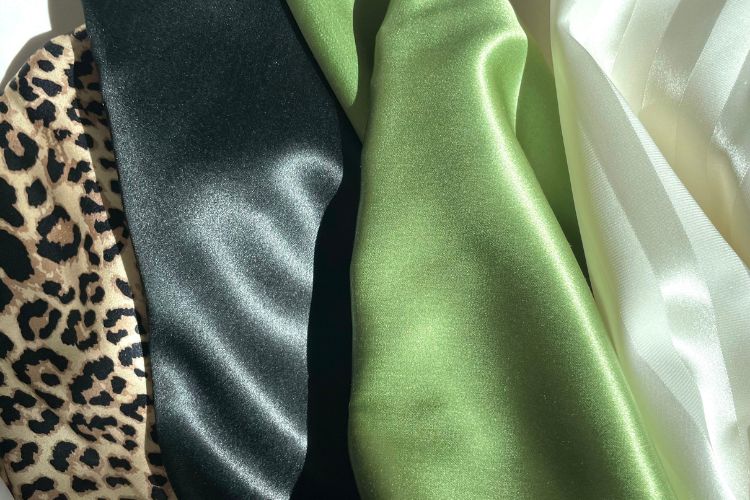
This creates the smoothest, strongest, and most refined silk in the world—renowned for its soft texture, wrinkle resistance, and hypoallergenic properties. Compared with synthetic fabrics like polyester satin, genuine 100% mulberry silk offers superior breathability, temperature regulation, and long-term skin and hair benefits.
Used in silk pillowcases, silk sheets, and other mulberry silk bedding, it’s gentle on sensitive skin, helps prevent frizz and dryness, and supports overall well-being while you sleep.
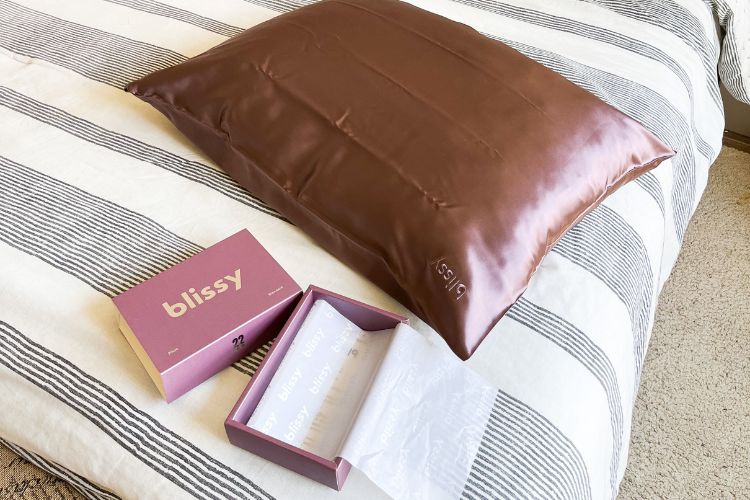
At Blissy, we craft our products from pure, OEKO-TEX®-certified mulberry silk, ensuring no harmful chemicals, dyes, or toxins ever touch your skin. Each piece is handmade with natural materials and tested to meet strict safety standards—making it safe even for babies and those with allergies.
Why 100% Mulberry Silk Fabric Is the Gold Standard
If you’re wondering why mulberry silk fabric is considered the gold standard of silk, it comes down to three things: purity, comfort, and care for your skin and hair.
Here’s why people choose 100% mulberry silk bedding and silk pillowcases over cotton or synthetic satin:
-
100% natural and hypoallergenic. Mulberry silk fibers naturally resist dust mites and allergens, making them gentle on sensitive skin.
-
Better for your skin and hair. The smooth surface of silk pillowcases reduces friction, helping prevent sleep wrinkles, frizz, and hair breakage.
-
Temperature regulating. Its breathable weave helps keep you cool in summer and warm in winter.
-
Certified non-toxic. OEKO-TEX® Standard 100 certification ensures mulberry silk bedding is free from harmful chemicals, heavy metals, and irritants often found in synthetic fabrics.
-
Durable luxury. Long, continuous silk fibers resist pilling and stretching, so your mulberry silk pillowcases and sheets stay soft and beautiful for years.
Mulberry silk bedding and pillowcases aren’t just beautiful—they deliver real health benefits for your skin, hair, and overall well-being.
Mulberry Silk vs Wild Silks: What Makes It Different
Unlike wild or “tussar” silk, mulberry silk comes from Bombyx mori silkworms that feed exclusively on white mulberry leaves. This diet creates longer, smoother silk fibers with a lustrous sheen and even color. Wild silks like tussah silk, eri silk, and muga silk come from wild silkworms that feed on other plants. Their fibers are generally less uniform than mulberry silk. Mulberry silk, by contrast, is reeled from each cocoon as one long, continuous filament. The result is a softer, more refined, and more durable fabric—ideal for luxury silk bedding and home décor.
Compared with satin fabrics or synthetic materials, mulberry silk offers a healthier, more eco-friendly alternative that feels naturally cool, smooth, and breathable.
Inside the Mulberry Silk Fiber: Where Its Luxurious Texture Comes From
Mulberry silk fibers are prized for their natural strength and softness, creating a fabric that’s both luxurious and long-lasting. Each filament is strong yet delicate, giving silk pillowcases and bedding their signature durability without ever feeling heavy.
The fiber’s smooth, friction-free surface glides gently against the skin, helping prevent irritation, sleep wrinkles, and hair breakage—making it a favorite for those with sensitive skin or fine hair.
Because silk is a natural protein fiber, it’s inherently hypoallergenic and breathable. It allows air to circulate freely while balancing moisture, keeping you cool, comfortable, and protected from dust mites, mold, and other common irritants.
In short, mulberry silk is the rare fabric that combines scientific purity with sensory comfort—naturally soft, safe, and pure by design.

Safe and Certified: OEKO-TEX® Mulberry Silk
Every Blissy product is made from pure, OEKO-TEX®-certified mulberry silk that’s tested to ensure it contains no harmful chemicals or toxins. This certification guarantees your mulberry silk pillowcase or bedding is safe even for sensitive skin—and a sustainable, environmentally friendly choice for your home.
Further reading:
What Are the Benefits of Mulberry Silk for Hair and Skin?
Unlike cotton, which can pull moisture from your skin and hair, mulberry silk helps retain your natural hydration. Its tightly woven long fibers form a smooth, non-absorbent surface that keeps your complexion feeling fresh and your hair looking healthy instead of dull or frizzy.
Because silk is naturally hypoallergenic and gentle on the skin, it’s ideal for anyone prone to irritation or sensitivity. The fabric’s natural protein structure contains amino acids that help support smoother, softer-looking skin and reduce friction that can contribute to fine lines over time.
With consistent use, mulberry silk bedding promotes a radiant, well-rested appearance—offering true beauty sleep that feels as good as it looks.
In a 28-day Kosmoscience clinical study (2025) of 36 women, 94% showed clinically visible improvement in skin smoothness after nightly use of a Blissy 22-momme mulberry silk pillowcase.
"As a dermatologist, clinical studies are everything when it comes to skin and hair. I highly recommend Blissy because it's the only clinically tested pillowcase on the market. It's soft, durable and it will help preserve a blowout. The studies also show that the skin's hydration and softening is preserved when using Blissy. A win win!"
— Dr. Mara Weinstein Velez, MD, Board-Certified Dermatologist

Your hair also benefits from the use of silk pillowcases and hair accessories. Unlike other fabrics that cause hair to become tangled and frizzy, silk's smooth surface allows hair to gently glide across it.
In a 30-day home-use trial by Princeton Consumer Research (2024), 85% of 33 participants noticed less hair frizz after sleeping on a Blissy mulberry silk pillowcase.
Why Does Mulberry Silk Feel Cool at Night?
The finest mulberry silk is also known for regulating your body temperature. This allows you to be more comfortable while you are sleeping. It may help hot sleepers stay more comfortable.

How Is Mulberry Silk Made? From Bombyx mori Cocoon to Silk Thread
Mulberry silk production starts with Bombyx mori silkworms, which are fed exclusively on white mulberry leaves to produce the finest, strongest silk fibers. These silkworms spin cocoons of pure silk, creating the luxuriously soft and durable fabric that makes mulberry silk highly sought after for bedding and textiles.
Here's how mulberry silk is made, step by step:
- Feeding: Farmers raise Bombyx mori silkworms on only mulberry leaves.
- Spinning: Each silkworm spins a cocoon from one long, continuous filament of silk.
- Reeling: The cocoons are softened in hot water so the filament can be unwound.
- Twisting: Several filaments are twisted together to make silk thread.
- Weaving: The thread is woven into fabric, and the fabric's weight is measured in momme.
The production process of mulberry silk is a meticulous journey that begins with carefully feeding domesticated mulberry silkworms. Fed exclusively on the leaves of white mulberry trees, these silkworms spin the most luxurious natural silk known in the silk industry. This makes mulberry silk highly sought after.
The fibers are then delicately harvested and spun into silk threads of exceptional quality. Each thread is measured by weight to ensure consistency and superior texture.
Throughout this process, strict protocols are followed to prevent any harmful substances from compromising the silk’s purity and quality, ensuring that each strand upholds the highest standards of luxury and safety.



Mulberry Silk vs Cotton, Bamboo and Linen: Which Luxury Bedding Wins?
Mulberry silk outperforms cotton, bamboo, and linen in softness, durability, and skin benefits. While each material has unique qualities, silk offers superior moisture retention, hypoallergenic properties, and a luxurious feel, making it the best choice for high-quality bedding.
| Feature | Mulberry Silk | Cotton | Linen | Bamboo (Viscose) |
|---|---|---|---|---|
| Fiber source | Natural protein from silkworm cocoons | Natural plant fiber | Natural plant fiber (flax) | Bamboo pulp, chemically processed |
| Fiber structure | One long, continuous filament | Short staple fibers | Long plant fibers | Regenerated fiber |
| Surface feel | Very smooth and slippery | Soft but textured | Crisp, softens with washing | Soft and smooth |
| Hypoallergenic | Yes — Blissy silk showed 0% irritation in clinical patch testing | Varies | Varies | Varies |
| Typical price | Highest | Lowest | Moderate to high | Low to moderate |
| Best for hair and skin | ✔ Winner | — | — | — |
As a natural protein fiber, mulberry silk offers superior hypoallergenic properties, making it ideal for those with sensitive skin. It significantly reduces the risk of allergic reactions compared to some other materials, which can sometimes harbor allergens.
Furthermore, mulberry silk’s ability to regulate body temperature is unparalleled. It provides thermal balance throughout the year—cool in the summer and warm in the winter—unlike cotton and linen, which tend to absorb and retain moisture, and bamboo, which, although breathable, does not offer the same temperature regulation.
Furthermore, no material in existence beats the softness and comfort of mulberry silk. Not even other types of silk! If you're seeking a restful night's sleep with a touch of opulence, mulberry silk outshines other fabrics, delivering unmatched comfort and elegance.

Is Mulberry Silk Eco-Friendly?
Yes, natural silk—especially mulberry silk—is an eco-friendly fabric. Its production relies on mulberry leaves, a renewable resource, and has a lower carbon footprint than many other textiles. The sustainable farming of silkworms and biodegradable nature of silk make it a more environmentally responsible choice for luxury fabrics.
Mulberry silk is biodegradable, meaning it can easily decompose and return to nature at the end of its life cycle. This makes it an environmentally friendly choice for those looking to reduce their ecological impact.
Additionally, mulberry silk is non-toxic and free from harsh chemicals, making it safe for both sensitive skin and the environment.
Choosing mulberry silk means supporting a sustainable and eco-friendly industry, while also enjoying the luxurious and health benefits that this natural silk offers.
How Do You Care for Mulberry Silk Bedding?

How to Wash Silk Sheets and Duvet Covers
Follow these simple steps to keep your silk products soft, durable, and long-lasting.
1. Wash Gently with a Silk-Safe Detergent
Hand wash or use a delicate cycle with cold water and a mild detergent like Blissy Wash.
2. Avoid Harsh Chemicals
Do not use bleach or fabric softeners, as they can weaken silk fibers and reduce softness.
3. Air Dry Away from Direct Sunlight
Lay silk items flat or hang them on a drying rack in a shaded area. Avoid heat or direct sunlight.
4. Store Silk Properly
Keep silk items in a cool, dry place and avoid rough surfaces that cause snags. Use a breathable fabric bag for protection.
Caring for mulberry silk, such as silk sheets and sleep masks, is key to maintaining their luxurious feel and extending their lifespan. Despite its delicate appearance, mulberry silk is highly durable when properly maintained.
To preserve the quality of the fibers, hand wash or use a delicate cycle with cold water and a mild detergent formulated for silks like Blissy Wash.
Air drying away from direct sunlight is highly recommended to protect the fibers from damage. Regular gentle care ensures that your silk products will remain a staple of comfort and elegance in your home.
Why Is Mulberry Silk Expensive?
Mulberry silk is expensive because it takes a lot of time, labor, and raw material to make. It takes the silk of approximately 5,500 silkworms to produce one kilogram of raw silk. Silk is graded by fiber length and uniformity, and 6A is the top grade. Blissy uses 6A, the highest quality silk grade, at a 22-momme weight.
Investing in mulberry silk is a decision that pays off in numerous ways. First and foremost, mulberry silk is known for its exceptional quality. The high tensile strength and durability of mulberry silk fibers ensure that your silk products will last for years, maintaining their luxurious feel and appearance.
Mulberry silk has:
- Unmatched Luxury – Mulberry silk's smooth, gentle texture provides a sense of opulence and comfort.
- Temperature Regulation – Helps prevent overheating and promotes restful sleep.
- Hypoallergenic – Reduces irritation and allergies, perfect for sensitive skin.
- Eco-Friendly Choice – Sustainable production with a low carbon footprint and biodegradable, non-toxic properties.
- Timeless Style – A classic, elegant material that never goes out of fashion.
- Responsible Investment – Perfect for environmentally conscious consumers seeking luxury and sustainability.
In summary, mulberry silk offers exceptional quality, luxurious comfort, health benefits, eco-friendliness, and timeless style, making it a worthwhile investment for anyone seeking the best in luxury textiles.
Frequently Asked Questions
- Guo, C., Li, C., & Kaplan, D. L. (2020). Enzymatic degradation of Bombyx mori silk materials: A mini review. Biomacromolecules, 21(5), 1678–1686. https://doi.org/10.1021/acs.biomac.0c00090
- Kosmoscience Ciência & Tecnologia Cosmética. (2025). 28-day clinical study on skin smoothness and anti-aging effects [Unpublished study commissioned by Blissy].
- Ministry of Statistics and Programme Implementation. (n.d.). Sericulture. Government of India. https://www.mospi.gov.in/sites/default/files/Statistical_year_book_india_chapters/Sericulture-writeup.pdf
- Nguyen, T. P., Nguyen, Q. V., Nguyen, V.-H., Le, T.-H., Huynh, V. Q. N., Vo, D.-V. N., Trinh, Q. T., Kim, S. Y., & Le, Q. V. (2019). Silk fibroin-based biomaterials for biomedical applications: A review. Polymers, 11(12), 1933. https://doi.org/10.3390/polym11121933
- OEKO-TEX. (n.d.). OEKO-TEX® STANDARD 100. https://www.oeko-tex.com/en/our-standards/oeko-tex-standard-100
- The Pennsylvania State University. (n.d.). Silk cocoons. CVMS Materials and Teaching Collection. https://exhibitions.psu.edu/s/cvms-materials-and-teaching-collection/item/13224
- Princeton Consumer Research. (2024a). Safety and sensitization trial [Unpublished study commissioned by Blissy].
- Princeton Consumer Research. (2024b). 30-day home-use perception trial [Unpublished study commissioned by Blissy].


