

































Key Takeaways:
-
An itchy scalp and hair loss can share a cause, but itching isn't always responsible.
-
Seborrheic dermatitis, psoriasis, and scalp ringworm can cause both itching and shedding.
-
See a dermatologist for patchy hair loss, scaling, sores, or itching that persists.
-
A mulberry silk pillowcase helps reduce friction that contributes to breakage while you sleep.
An itchy scalp is uncomfortable enough on its own. But when you're also noticing more shedding, breakage, or thinning than usual, it's natural to wonder whether the two are connected. An itchy scalp and hair loss can sometimes occur together—and figuring out the underlying cause is the first step toward getting relief.
What Are the Common Causes of Itchy Scalp and Hair Loss?
There isn't one single cause of an itchy scalp and hair loss. Conditions that affect the scalp, reactions to hair products, infections, and some types of hair loss can cause itching, shedding, or both.
Common causes of an itchy scalp include dandruff and seborrheic dermatitis, scalp psoriasis, atopic dermatitis, allergic reactions to hair products, and fungal infections such as scalp ringworm (tinea capitis). Hair loss itself also has many possible causes, so experiencing hair thinning doesn't necessarily mean your itchy scalp is responsible.

However, certain scalp conditions can contribute to temporary hair loss or increased shedding. Frequent or aggressive scratching may also damage or break hair and further irritate an already inflamed scalp.
What Are the Treatment Options for Itchy Scalp and Hair Loss?
The right treatment depends on what's causing your symptoms. A dermatologist can examine your scalp and help determine whether your itching and hair loss are related and what treatment may be appropriate. Conditions and symptoms worth discussing include:
- Scalp psoriasis
- Atopic dermatitis or eczema
- Seborrheic dermatitis and persistent dandruff
- Redness, scaling, sores, or significant irritation
- Round or patchy areas of hair loss
- Sudden or worsening hair shedding or thinning
Remedies to Calm Down Your Itchy Scalp at Home
For mild scalp itching, simple changes to your hair-care routine may help. Depending on the cause, options can include:
- Using an over-the-counter dandruff or medicated shampoo as directed
- Stopping a new hair product if you suspect it is causing irritation
- Washing and conditioning your hair gently without aggressively rubbing or scratching your scalp
- Avoiding picking at flakes, scales, or irritated areas
- Using gentle hair-care practices that minimize pulling and breakage
Some scalp conditions require prescription treatment, so persistent or severe symptoms shouldn't be treated with home remedies alone.

Can an Itchy Scalp Lead to Hair Loss?
Yes, an itchy scalp and hair loss can sometimes be connected—but itching itself isn't always the underlying cause of hair loss. Some conditions that make your scalp itch can also contribute to shedding or temporary hair loss. Scalp psoriasis, for example, can cause intense itching, and scratching or forcefully removing scales can loosen hair.
Repeated scratching can also contribute to hair breakage and further irritation. That's why treating the condition responsible for the itch is more important than simply trying to suppress the urge to scratch.
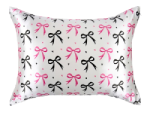
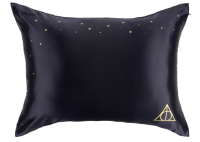
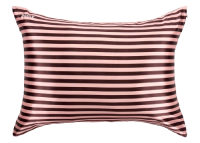
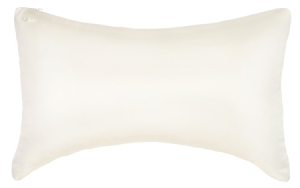
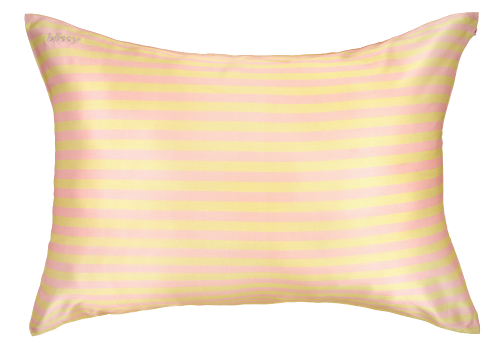
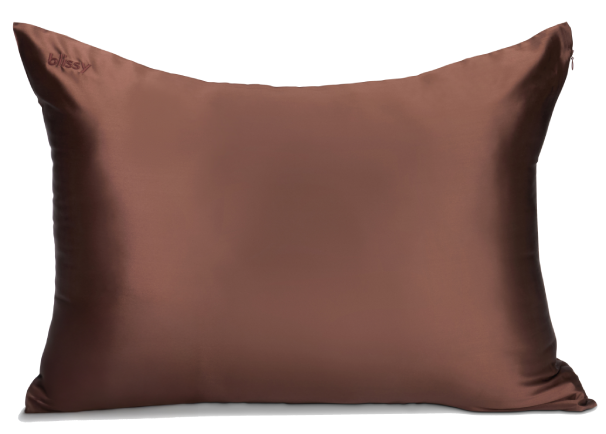
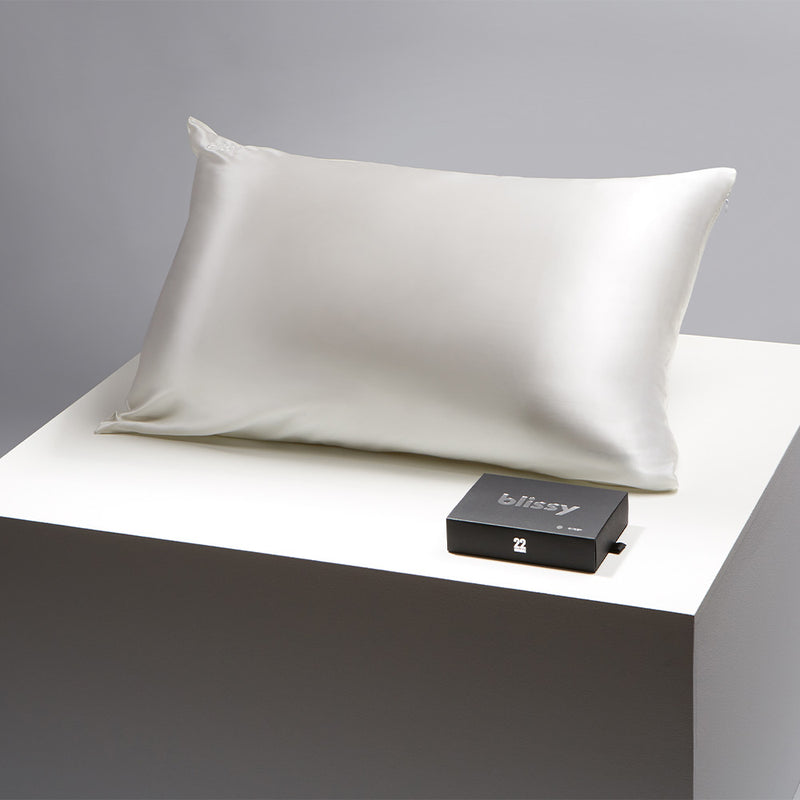
Gentler hair-care habits may also help protect fragile strands from unnecessary breakage. You can try changing your pillowcase to a smoother material, like a silk cover from Blissy. Silk creates a smooth surface for your hair to move against while you sleep, helping minimize friction and tugging on the strands.

Myths About Itchy Scalp and Hair Loss
When you're dealing with itching and shedding at the same time, it's easy to come across conflicting advice. Let's clear up a few common misconceptions about scalp itching and hair loss.
Myth 1: It's Normal for Hair to Itch as It Grows
An itchy scalp isn't generally a sign that your hair is growing. Itching can have many causes, ranging from dandruff or irritation from a hair-care product to conditions such as eczema, psoriasis, or a fungal infection.
If the itching is persistent, severe, or accompanied by a rash, sores, scaling, or noticeable hair loss, seeing a dermatologist can help you identify the cause rather than guessing at a treatment.



Myth 2: Massage Oils Cure Underlying Scalp Conditions
Scalp oils aren't a universal treatment for itching or hair loss. Because the appropriate treatment depends on the underlying condition, applying oils without knowing what's causing your symptoms may not solve the problem—and some products can irritate sensitive skin. If you're experiencing ongoing scalp irritation or hair loss, a dermatologist can help determine the cause.

Myth 3: There's One Miracle Cure for Hair Loss
Hair loss has many possible causes, which means there isn't one treatment that works for everyone. Some types of shedding or temporary hair loss may resolve once the underlying trigger or scalp condition is addressed, while other forms of hair loss require specific treatment.
If you're experiencing unexplained or worsening hair loss, talk to a dermatologist. A dermatologist can examine your scalp and hair, identify possible causes, and recommend an appropriate treatment plan.
How Can a Blissy Pillowcase Help Protect Your Hair?
A silk pillowcase isn't a treatment for a scalp condition or medical hair loss. But reducing unnecessary friction is one way to be gentler with hair that is already fragile, dry, or prone to breakage.

Silk Helps Reduce Friction While You Sleep
Hair moves against your pillow throughout the night. Silk provides a smooth sleep surface that allows strands to glide more easily, helping reduce friction, tugging, and unnecessary stress on fragile hair.
Silk Can Help Protect Hair From Breakage
Blissy pillowcases can't prevent hair loss caused by genetics, medical conditions, hormonal changes, nutritional deficiencies, or other underlying causes. What a silk pillowcase can do is help minimize the friction that can contribute to tangling and breakage while you sleep.
That's an important distinction: reducing breakage helps protect the hair you already have, but a pillowcase doesn't stimulate new hair growth or treat the underlying cause of hair loss.

Be Gentle With Fragile or Thinning Hair
If your hair is thinning, shedding, or breaking, gentle hair care matters. Avoid aggressive brushing, scratching, and hairstyles that pull tightly on the hair. Choosing a smooth silk pillowcase is another simple way to reduce friction against your hair while you sleep.
Further Reading:
When Should You See a Dermatologist?
An occasional itchy scalp isn't necessarily a reason to worry. But if the itching persists or you're also experiencing noticeable hair loss, bald patches, significant scaling, redness, pain, sores, or other changes to your scalp, it's a good idea to see a dermatologist. Finding the cause is the best way to determine which treatment is most likely to help.

Frequently Asked Questions
Protect Your Hair While You Address the Cause
If you're dealing with both an itchy scalp and hair loss, start by figuring out what's behind your symptoms. A dermatologist can help diagnose and treat scalp conditions or hair loss, while gentler everyday hair-care habits can help limit avoidable damage and breakage. A smooth silk pillowcase won't treat the underlying condition, but it can help reduce friction against your hair while you sleep.


